The UK's Under-16 Social Media Ban: What It Means for Families Before Spring 2027
With regulations due before Parliament in December and Ofcom investigating Meta, here is what the UK's under-16 social media ban means for children, parents and the platforms.
 Calvin Robbins
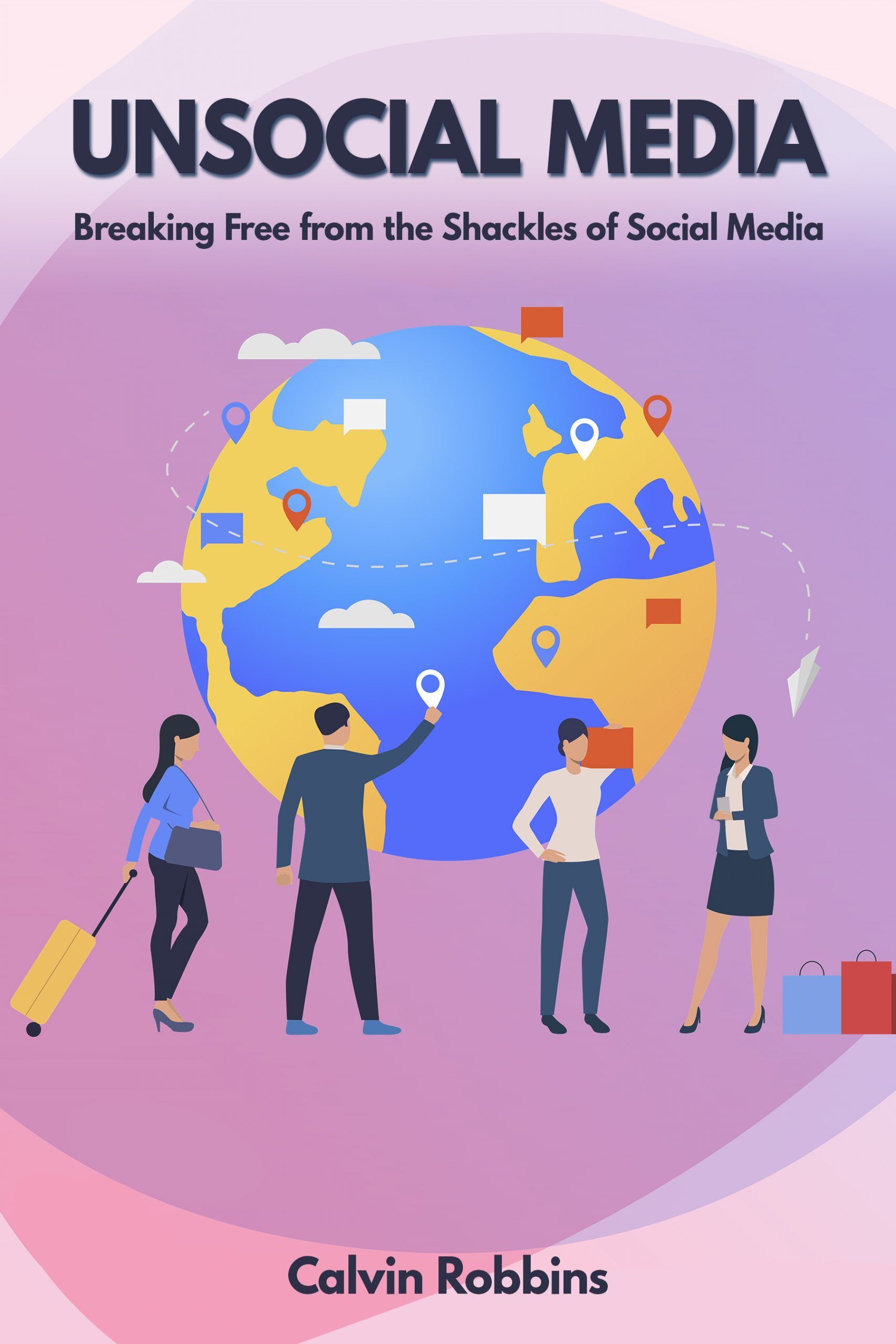
When I wrote Unsocial Media, the idea of a country simply banning children from social media felt like something you might hear in a heated pub debate rather than in Parliament. A few years on, it is about to become law in the UK.
The government announced back in June that under-16s will be banned from social media. Over the last few weeks the story has moved from headline to hard detail. Ofcom has opened an investigation into Meta, the regulator has been tightening its approach to age checks, and the regulations that will make the ban a reality are due to be laid before Parliament in December. It feels like the right moment to take stock of what is actually coming, and what it could mean for families.
What has been announced
The ban was announced on 15 June 2026, following a public consultation called Growing up in the online world, which ran from March to May. According to the government, around nine in ten parents backed a ban for under-16s, and two thirds of young people agreed that under-16s should not be allowed to use at least some social media platforms.
The headline points are:
- Under-16s will no longer be able to use the main social media platforms, including Instagram, Facebook, TikTok, Snapchat, YouTube and X, from late spring 2027.
- High-risk features will be restricted on other services too. Livestreaming and contact from strangers, including in online games, will be blocked for under-16s.
- 16 and 17-year-olds will get safer defaults. There will be an overnight curfew from midnight to 6am, with notifications switched off during that time. Autoplay and personalised feeds will also be switched off by default, although older teenagers will be free to change those settings.
- AI "romantic companion" chatbots will need a minimum age of 18, with similar features restricted more widely for under-18s.
Importantly, under-16s will still be able to go online to learn, read the news, play games and keep in touch with friends and family they already know on messaging services. The aim is to remove the most addictive and risky parts of social media, not to cut children off from the internet altogether.
Why now?
The UK is following the lead of Australia, where a ban for under-16s has been in place since 10 December 2025. The UK version goes further, though, by also targeting livestreaming, gaming and stranger contact.
The legal groundwork was laid by the Children's Wellbeing and Schools Act 2026, which added a new requirement to the Online Safety Act for the government to introduce age or functionality restrictions for children on social media. The government has said it will bring the detailed regulations to Parliament in December, ready for the ban to take effect next spring.
The last month: Ofcom turns up the pressure
While the politics has been settled, the practical work has been ramping up.
In early October, Ofcom opened a formal investigation into Meta over Instagram Instants, a feature launched in May that lets users share photos and videos that disappear once viewed and cannot be screenshotted. The question is whether Meta properly assessed the risks to children, and the risk of illegal content, before launching it. If Ofcom finds a breach, it can fine a company up to £18 million or 10% of its qualifying worldwide revenue, whichever is greater.
Ofcom's October update also made a point that is easy to miss: existing online safety duties remain fully in force while the ban is being prepared. Platforms cannot simply wait for spring 2027 and do nothing in the meantime. The regulator has also stepped up enforcement around age checks and published guidance to help companies judge whether their age assurance providers are up to the job.
For me, the Instants investigation is a good example of a theme that runs right through Unsocial Media. New features are often designed first and foremost to keep us engaged, and the risks are considered later, if at all. Disappearing content may feel fun and spontaneous, but it can also make it harder to spot bullying, grooming or harmful material.
The big challenge: proving your age
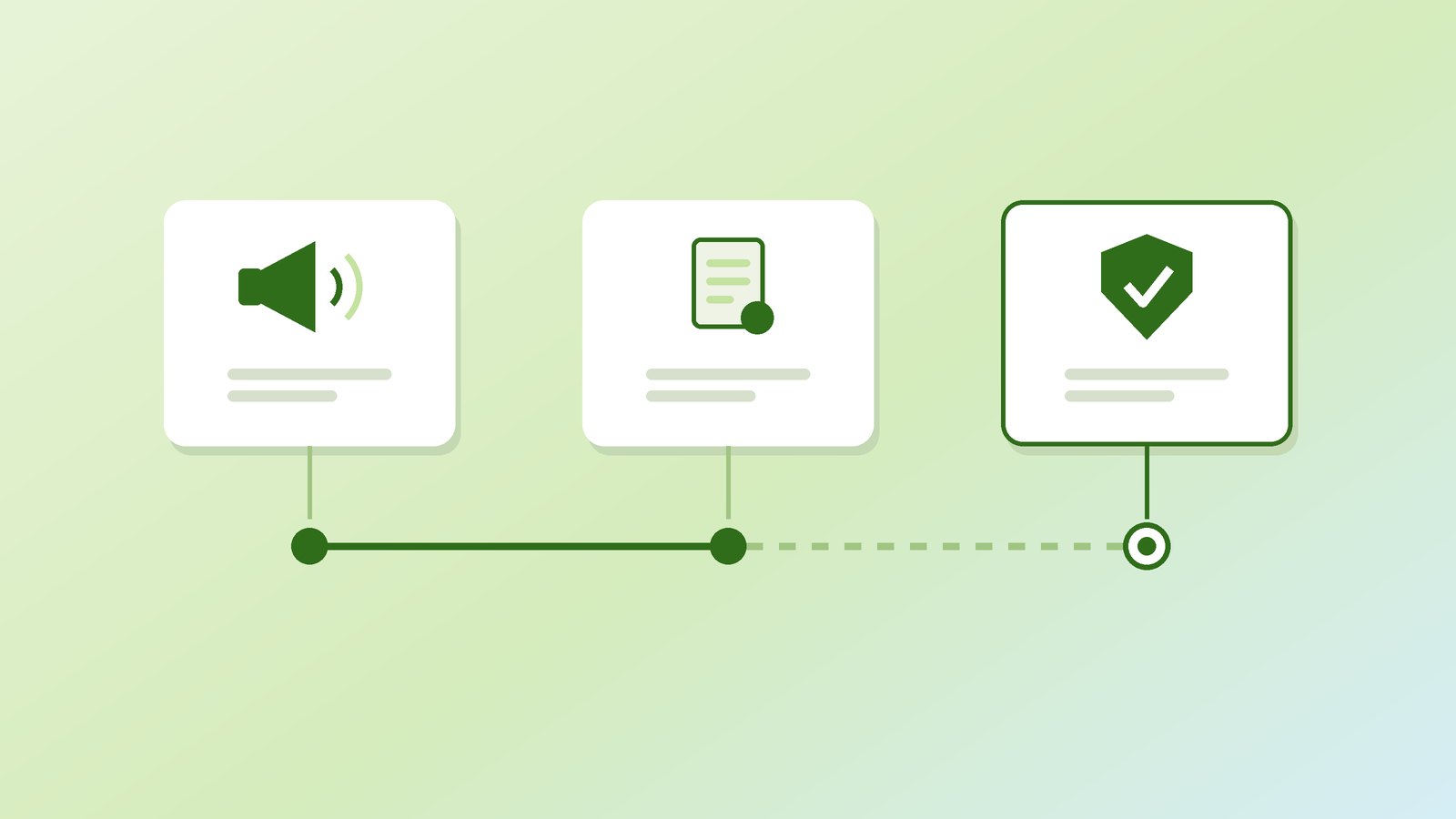
The ban will only be as strong as the age checks behind it. Ofcom has said it will set out options for age assurance that are "accurate, robust, reliable and fair". In practice, that is likely to mean some combination of facial age estimation, ID checks and other signals.
This raises genuine questions, and they link straight back to the privacy concerns I wrote about in the book:
- How much personal data will we all need to hand over? Age checks do not just affect children. Adults will need to prove they are over 16 too.
- Who holds that data, and how secure is it? Every new database of faces or ID documents is a potential target.
- Will determined teenagers simply find a way round it? VPNs, borrowed accounts and smaller, less regulated apps are all obvious workarounds.
None of these are reasons to give up on protecting children. They are reasons to make sure the system is designed carefully, with privacy built in from the start.
Will it work?
I suspect the honest answer is "partly", and that may still be worth it.
On the positive side, a clear legal line takes some pressure off parents. It is much easier to say "it's the law" than to be the only family in the class saying no. Switching off autoplay, personalised feeds and late-night notifications by default for older teenagers also targets exactly the design features that make social media so hard to put down.
On the other hand, a ban does not teach children how to use social media well. At some point they will turn 16 and gain access to the same platforms, and they will need the skills and habits to cope with them. There is also a risk that some young people lose access to genuinely supportive online communities, particularly those who feel isolated where they live.
What parents can do now
Spring 2027 is not far away, and there is no need to wait for the law to start making changes at home:
- Talk about it early. Explain what is changing and why, rather than letting it arrive as a surprise.
- Review the apps your children already use. Check their privacy settings, who can contact them and whether livestreaming is switched on.
- Try the new defaults yourself. Turn off autoplay, switch to a "following" feed where one exists and silence notifications overnight. If it helps us, it will help them.
- Keep phones out of bedrooms at night. It remains one of the simplest and most effective habits for better sleep and wellbeing.
- Focus on skills, not just rules. Help children understand how feeds, adverts and algorithms are designed to hold their attention, so they are ready when their turn comes.
Final thoughts
The under-16 ban is one of the biggest changes to social media in the UK since these platforms first arrived. It reflects a growing acceptance of what many parents, teachers and researchers have been saying for years: that platforms designed to capture attention are not always good for young minds.
Whether the ban succeeds will depend on the detail in December's regulations, on how well age checks protect our privacy, and on whether regulators like Ofcom are willing to hold the biggest platforms to account. The rest is up to us, as parents, educators and users, to help the next generation build a healthier relationship with the online world.
If you would like to read more about mental health, smartphone addiction, privacy and how platforms are designed to keep us scrolling, you can find Unsocial Media on Amazon. I would love to hear your views on the ban, so feel free to get in touch.