Unsocial Media in the Age of AI: How Artificial Intelligence Is Reshaping Our Feeds
How the rise of AI is changing social media, from algorithmic feeds and synthetic content to mental health, privacy, public opinion and screen time.
 Calvin Robbins
When I wrote Unsocial Media, the big question was whether social networks were bringing us closer together or quietly pulling us apart. Algorithms were already deciding what we saw, adverts already seemed to know us a little too well, and many of us were already reaching for our phones before we had even got out of bed.
A few years on, artificial intelligence has turned the volume up on all of it. In my day job as a product manager I use AI tools every day, and I have seen first-hand how powerful they can be. That is exactly why I think it is worth stepping back and asking what the rise of AI means for the platforms we spend so much of our lives on.
From algorithms to AI-native feeds
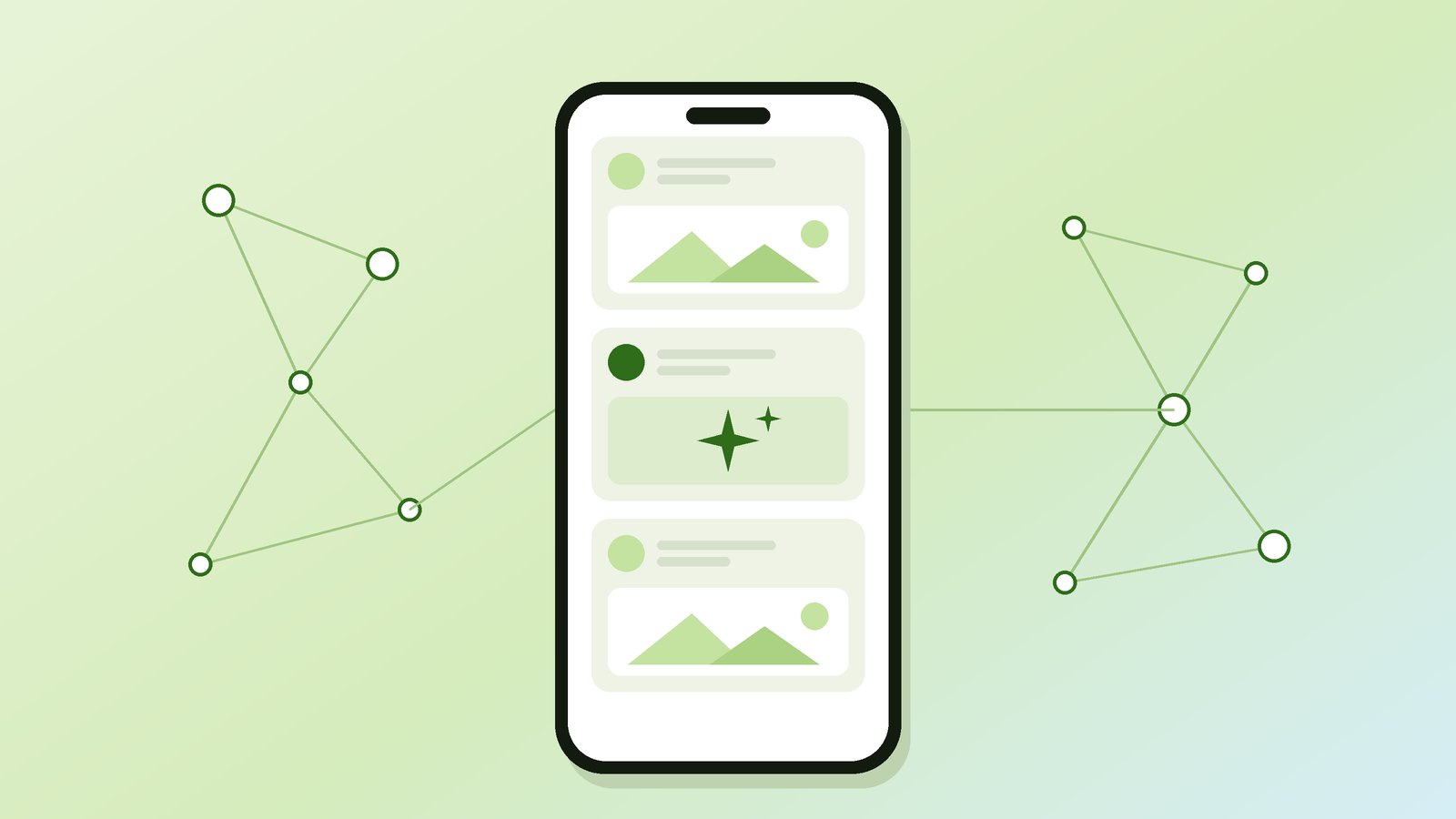
Social media has used machine learning for years to rank posts and recommend content. What has changed is the scale and the sophistication. Feeds are no longer built mainly around the people we choose to follow. Instead, they are increasingly built around what a model predicts will keep us watching, scrolling and tapping.
The result is a feed that feels uncannily personal. It learns from every pause, every replay and every half-second of hesitation. On the surface that sounds helpful. Underneath, it means the platform's goal (more of your time) and your goal (perhaps a quick catch-up with friends) are rarely the same thing.
The flood of synthetic content
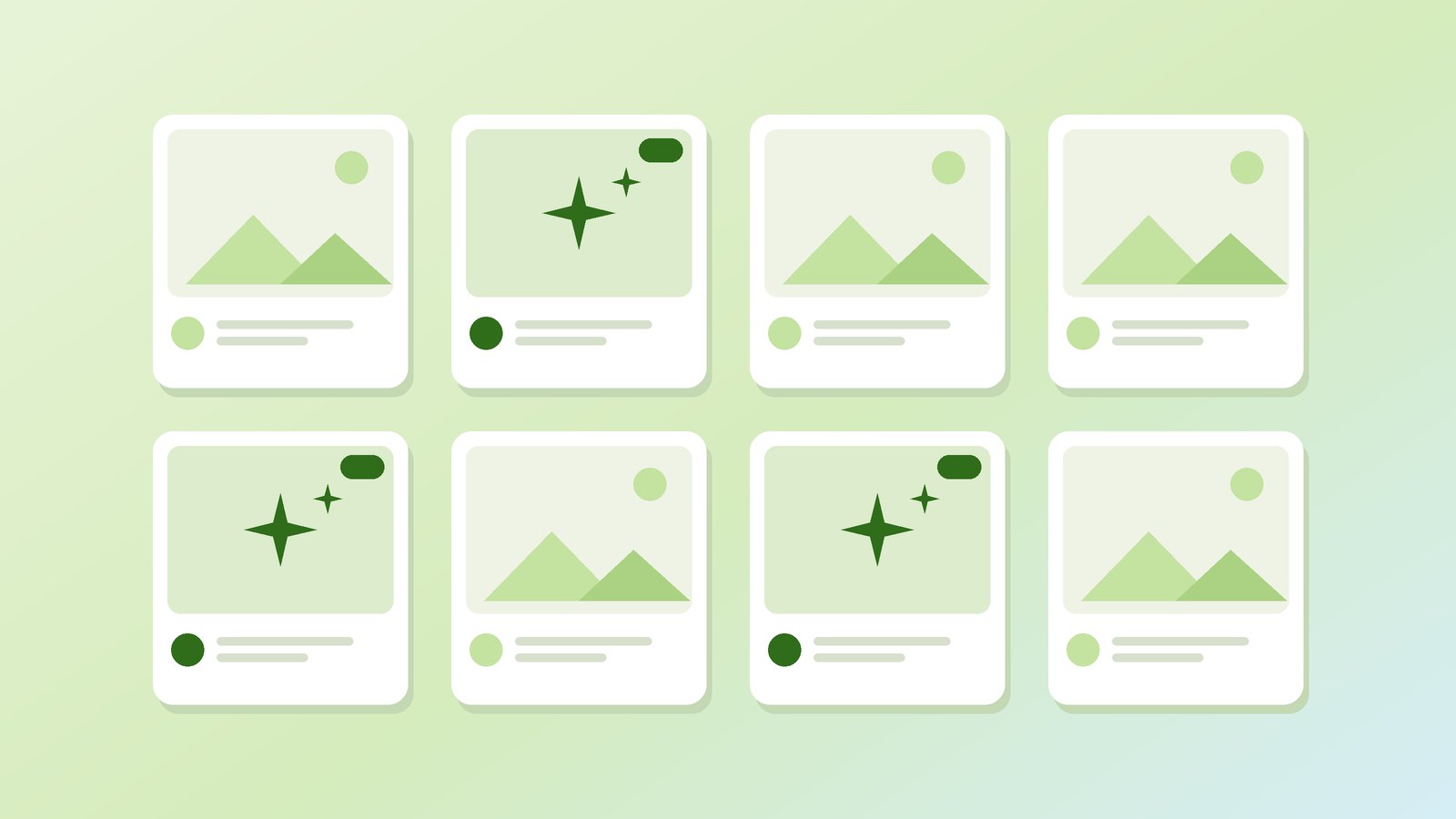
Generative AI has made it almost effortless to create images, video, music and text. Some of this is wonderfully creative. Small businesses can produce professional-looking content on a shoestring budget, and people who never thought of themselves as artists are experimenting and sharing their work.
There is a flip side, though. Feeds are filling up with content that no human has really made or checked. AI-generated "slop", fake product reviews, cloned voices and convincing deepfakes are now part of everyday scrolling. Telling the real from the artificial is getting harder, and when we cannot trust what we see, the whole point of a social network starts to wobble.
Public opinion and the trust problem
In the book I looked at how social media can sharpen divisions and shape public opinion, particularly around elections. AI raises the stakes considerably. It is now cheap and quick to produce thousands of tailored messages, fake accounts that hold convincing conversations, or doctored clips of public figures saying things they never said.
Platforms are responding with labels, watermarking and AI-powered moderation, and those efforts matter. But it is an arms race, and the tools used to detect fakes are being matched by tools designed to evade them. The most reliable defence remains a healthy dose of scepticism: checking the source, pausing before sharing, and being wary of anything engineered to make us angry.
Mental health in an endlessly optimised feed
The link between social media and wellbeing, especially for teenagers and young adults, was one of the central themes of Unsocial Media. AI adds new layers to that conversation.
Filters and editing tools powered by AI can reshape faces and bodies in real time, making unrealistic standards even more difficult to spot. Recommendation engines can push vulnerable users further down rabbit holes, simply because that content holds their attention. And the rise of AI companions and chatbots built into social apps raises fresh questions about loneliness, connection and what it means to be "social" at all.
None of this means AI is inherently harmful. It does mean we need to be honest about the fact that systems optimised for engagement are not automatically optimised for our wellbeing.
Smartphone addiction, now with a personal touch
If phone fixation was a challenge before, AI makes it harder to put the phone down. A feed that adapts to your mood and habits in real time is extraordinarily good at offering "just one more" video. Autoplay, infinite scroll and personalised notifications have always been designed to keep us hooked. With AI behind them, they are simply better at it.
That is why the practical habits I wrote about in the book matter even more now: turning off non-essential notifications, keeping phones out of the bedroom, setting app limits and, perhaps most importantly, noticing how we feel after a session of scrolling rather than during it.
Privacy: the data that feeds the machine
AI models are hungry for data, and social media is one of the richest sources of it. Our posts, photos, comments and even our private behaviour on platforms can become training material, often under terms and conditions very few of us read.
Have you ever wondered why the adverts you see seem to be a perfect match for your interests? AI makes that targeting sharper still. It can infer things about us that we have never explicitly shared, from our likely mood to our life circumstances. It is worth checking the privacy and AI settings on the platforms you use, opting out of data sharing where you can, and thinking twice before uploading photos of other people, particularly children.
The positive side
It would be unfair to paint AI purely as a villain. Used well, it is already making social media better in a number of ways:
- Accessibility: automatic captions, image descriptions and translation are opening platforms up to people who were previously left out.
- Safety: AI moderation can catch harmful content at a scale no team of human moderators could manage on its own.
- Creativity: new tools are lowering the barrier for people to make and share things they are proud of.
- Connection: translation and smarter discovery can help people find communities and support that genuinely improve their lives.
As with social media itself, the technology is not good or bad on its own. What matters is how it is designed, who it is designed to serve, and how we choose to use it.
Taking back control
So where does that leave us? I do not think the answer is to log off forever. Social media, now supercharged by AI, is woven into how we work, learn and keep in touch. The answer is to be more intentional.
A few simple steps can make a real difference:
- Curate on purpose. Follow, mute and unfollow actively, rather than leaving the algorithm to decide for you. Where a chronological or "following" feed exists, try using it.
- Question what you see. Treat surprising images, videos and quotes with caution until you can verify them.
- Review your settings. Check how your data is used to train AI and personalise adverts, and switch off what you are not comfortable with.
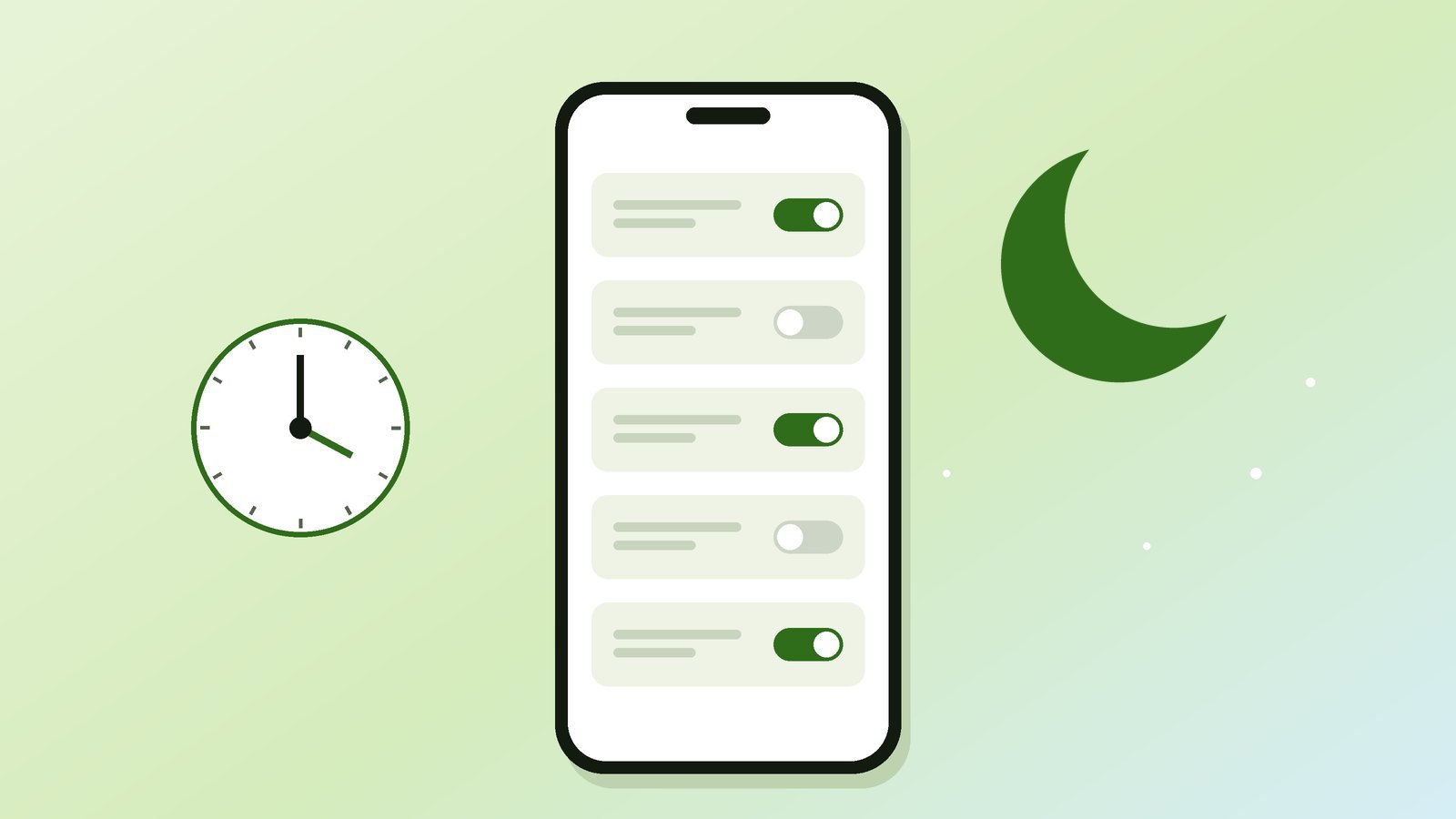
- Set boundaries. Use screen time tools, schedule phone-free time and protect your sleep.
- Talk about it. Especially with children and teenagers. Helping them understand how feeds and AI work is one of the best protections we can offer.
Final thoughts
The core message of Unsocial Media was never that social networks are bad. It was that they are powerful, and that power deserves our attention. AI has made these platforms more capable, more persuasive and more personal than ever before. That makes it all the more important that we stay curious, stay critical and stay in charge of our own attention.
If you would like to explore these themes in more depth, from mental health and smartphone addiction to privacy and public opinion, you can find Unsocial Media on Amazon. I would love to hear your thoughts on how AI is changing your own experience of social media, so feel free to get in touch.